Shopping
Taobao, JD and the Chinese marketplaces
You can buy almost anything in China and noticeably cheaper — the question is how to tell a good seller from a bad one without reading Chinese.
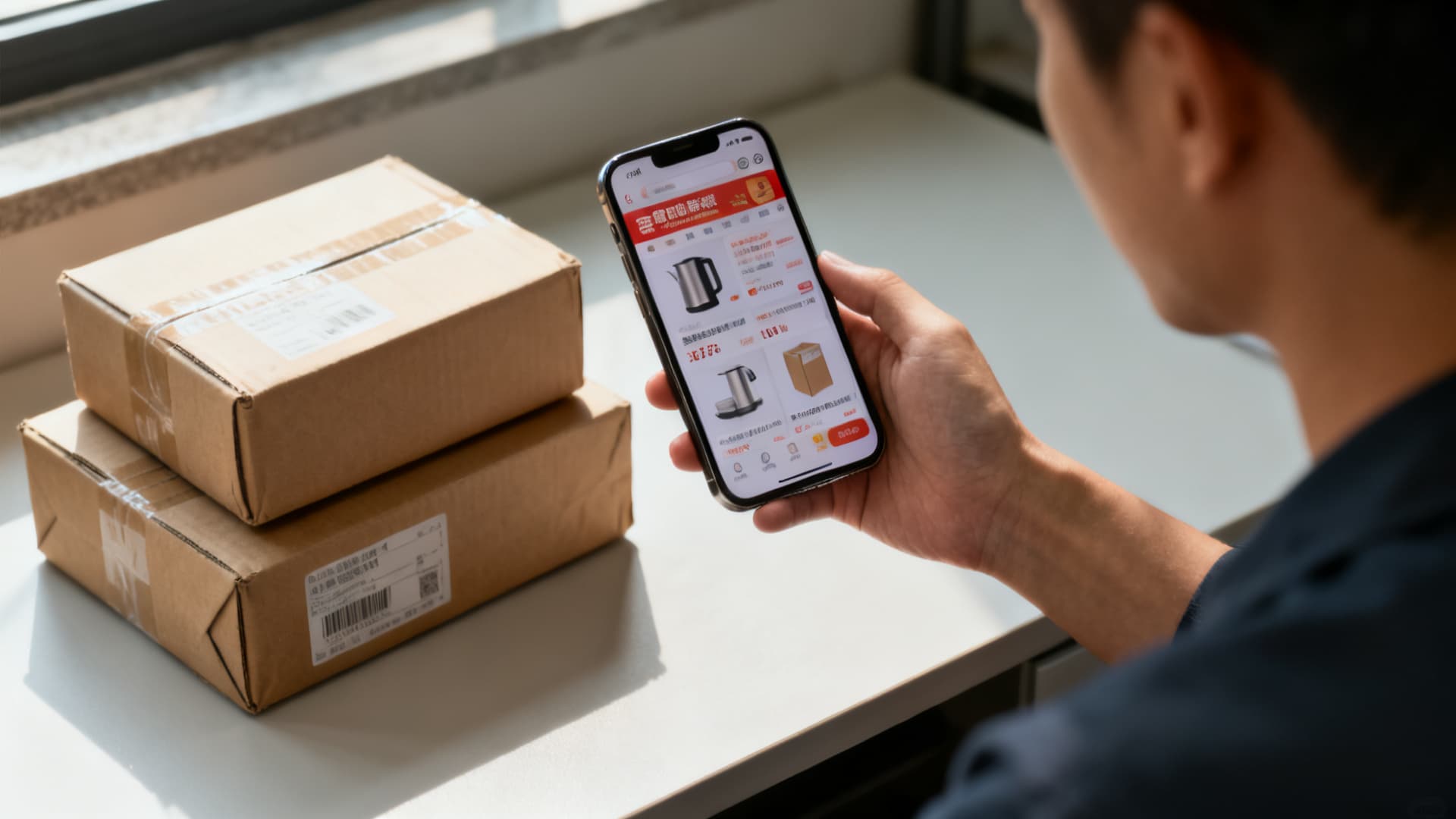
How the platforms differ
Taobao has the widest choice and mostly private sellers. It is the cheapest and also the riskiest: quality depends on the particular shop.
Tmall is the brand shopfront inside the same ecosystem. Dearer than Taobao, but the seller is verified and answerable for the goods.
JD (京东) runs its own warehouses and its own delivery. More expensive, but faster and more predictable; electronics are usually bought here.
Pinduoduo is the cheapest and the riskiest, built around group buying. Not the best place for a first order.
How to order
Find the item
Search by photo is the most useful feature in these apps: upload a picture and get the same item or something close to it. That removes the problem of the Chinese name.
If you are searching by text, translate the name into Chinese and paste the characters: searching in English returns noticeably less.
Check the seller
Look at how long the shop has been trading, how many sales it has made and its rating. A shop with thousands of sales and a high rating is safer than a new one with a perfect score.
Tmall and JD items carry their own badge — that already means a verified seller.
Read the reviews properly
Reviews with buyers’ own photos are useful: they show the real item, not a studio shot. Sort by newest — old ones may be about a different batch.
Pay attention to the middling reviews: that is usually where the real shortcomings are.
Ask the seller
Every app has a chat with the shop. Asking through a translator is perfectly normal; check sizes, what is in the box and the timing before you pay.
Enter the address
The address must be Chinese and complete: district, street number, building, entrance, floor, flat, plus a Chinese phone number. How a Chinese address is put together has its own guide.
Worth knowing
A foreign card does not work everywhere or every time. Paying through Alipay with a linked card is more reliable; if that fails too, what remains is a local account or the help of someone who has one.
Delivery and returns
Inside the country a parcel takes one to three days. The courier calls the number you gave, so a Chinese number is essential — a foreign one simply will not connect.
A parcel is often left not at your door but in a locker or a pickup point in the courtyard. The code arrives by SMS or in the app.
On the large platforms returns are usually possible within seven days with no reason given, and the request is filed in the app. The goods go back by courier, often at the seller’s expense.
A dispute with a seller is settled through the platform: a conversation, photos, a ruling. It works better than you would expect, but it means writing in Chinese — a translator is enough.
Careful
Shipping what you bought abroad is a separate job: the marketplaces deliver within the country, not to your door back home. International shipping needs an agent or a freight forwarder, and the export rules for your category are worth checking in advance.
Checked: 4 September 2026
Editor: The PANDA editorial team
What you can hand to PANDA


Sources
- PRC government portal for foreignersofficial source
- State Administration for Market Regulation of the PRCofficial source
- Ministry of Commerce of the PRCofficial source
Didn’t find the guide you needed?
Describe it in your own words — a concierge will reply and take you through it step by step.