Housing
How to rent a flat in China
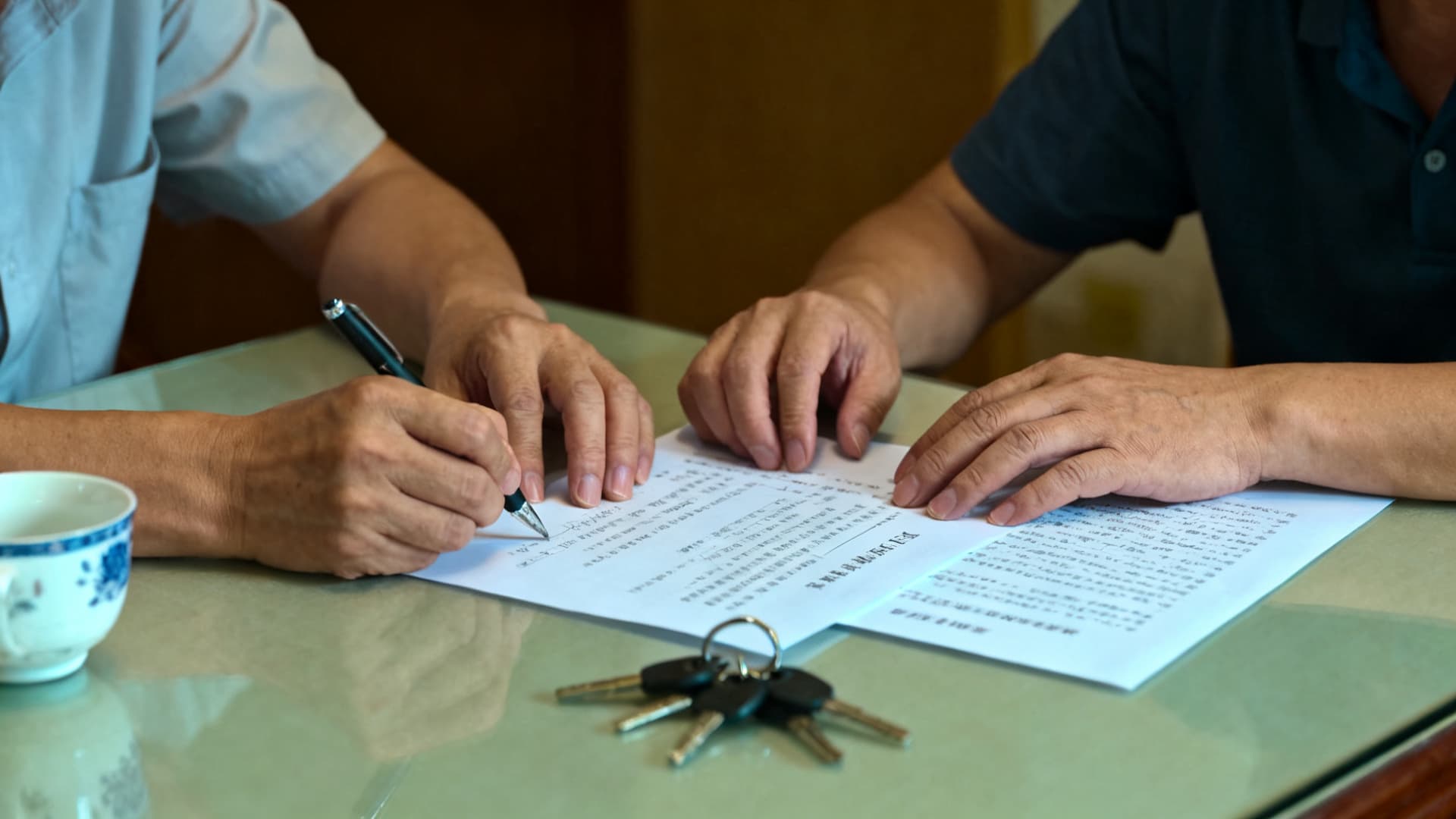
Renting in China means a one-year contract, and moving in does not end with getting the keys.
Who to rent through
An agency is the commonest route. The agent shows you flats, negotiates with the owner and draws up the contract. For that there is a fee, usually part of a month’s rent or a whole month.
Ziroom (自如) and similar operators lease flats themselves, do them up and let them in their own name. Dearer than a private landlord, but the contract is clear, the refurbishment is recent and problems are handled through an app rather than a call to the owner.
Direct from the owner is the cheapest and the hardest without the language: the listings are in Chinese, so are the negotiations and the contract.
For a first year in the country an operator or an agency usually justifies the markup: with them you are less likely to end up in a dispute you cannot get out of without the language.
How much money you need up front
The deposit is usually one to three months’ rent. It is returned when you leave, less whatever is counted as damage.
Rent in advance. Monthly payment is rare: the typical arrangement is three months at once, sometimes six. Worth asking before the viewing rather than after.
The agent’s fee is a separate sum on top of the deposit and the rent.
All told, moving in often comes to four or five months’ rent. That is the commonest surprise for a first-time renter.
The order of things
Check the owner
The name on the contract must match the title deed. Ask to see the original and the owner’s ID. If a representative is letting it, they need a power of attorney.
Ask about registering a foreigner
A direct question before signing: will you be able to register at this address? The owner must be willing to provide documents and, if needed, come to the police station. A refusal at this point is reason to look elsewhere.
Record the condition
List the furniture and appliances in an annex to the contract and photograph EVERYTHING when you move in: walls, floors, plumbing, appliances running, scratches on the furniture, the meter readings. Shoot with the date on. This is the only protection your deposit has.
Read the contract
The Chinese contract has legal force; the translation does not. Read the translation, but sign understanding the original.
What to look for: the term, the size of the deposit and the conditions for its return, who pays for appliance repairs, whether you may end it early and what that costs, and what if anything is included in the rent.
Pay leaving a record
Pay the deposit and the rent so that a trail remains: a transfer with a payment reference, a receipt, a record in the app. Never cash without a receipt.
Register your address
At the police station for your address, within the first few days of moving in. Without it you will later be unable to extend a visa or open a bank account.
Utilities
They are usually NOT included in the rent. Electricity, water and gas are metered and often pre-paid: you top up the balance in an app or at a terminal, and at zero the supply is simply cut off.
There may be a separate estate management charge — security, cleaning, lifts. Check who pays it: it can be a noticeable sum.
The internet is connected separately and registered against a passport. Sometimes it is already there from the previous tenant — ask about the login and the billing.
In the north heating is switched on centrally for the heating season and billed separately; in the south there is usually no central heating at all.
Worth knowing
Address registration is the tenant’s duty, not the landlord’s. A hotel does it for you automatically; a rented flat does not.
Careful
The deposit is returned after an inspection when you leave, and a great deal can be deducted from it. Everything already broken before you arrived must be in the move-in report. Give notice in good time — the notice period is in the contract, and breaching it also costs money.
Checked: 4 September 2026
Editor: The PANDA editorial team
What you can hand to PANDA


Sources
- PRC government portal for foreignersofficial source
- National Immigration Administration of the PRCofficial source
- Ministry of Housing and Urban-Rural Development of the PRCofficial source
Didn’t find the guide you needed?
Describe it in your own words — a concierge will reply and take you through it step by step.